
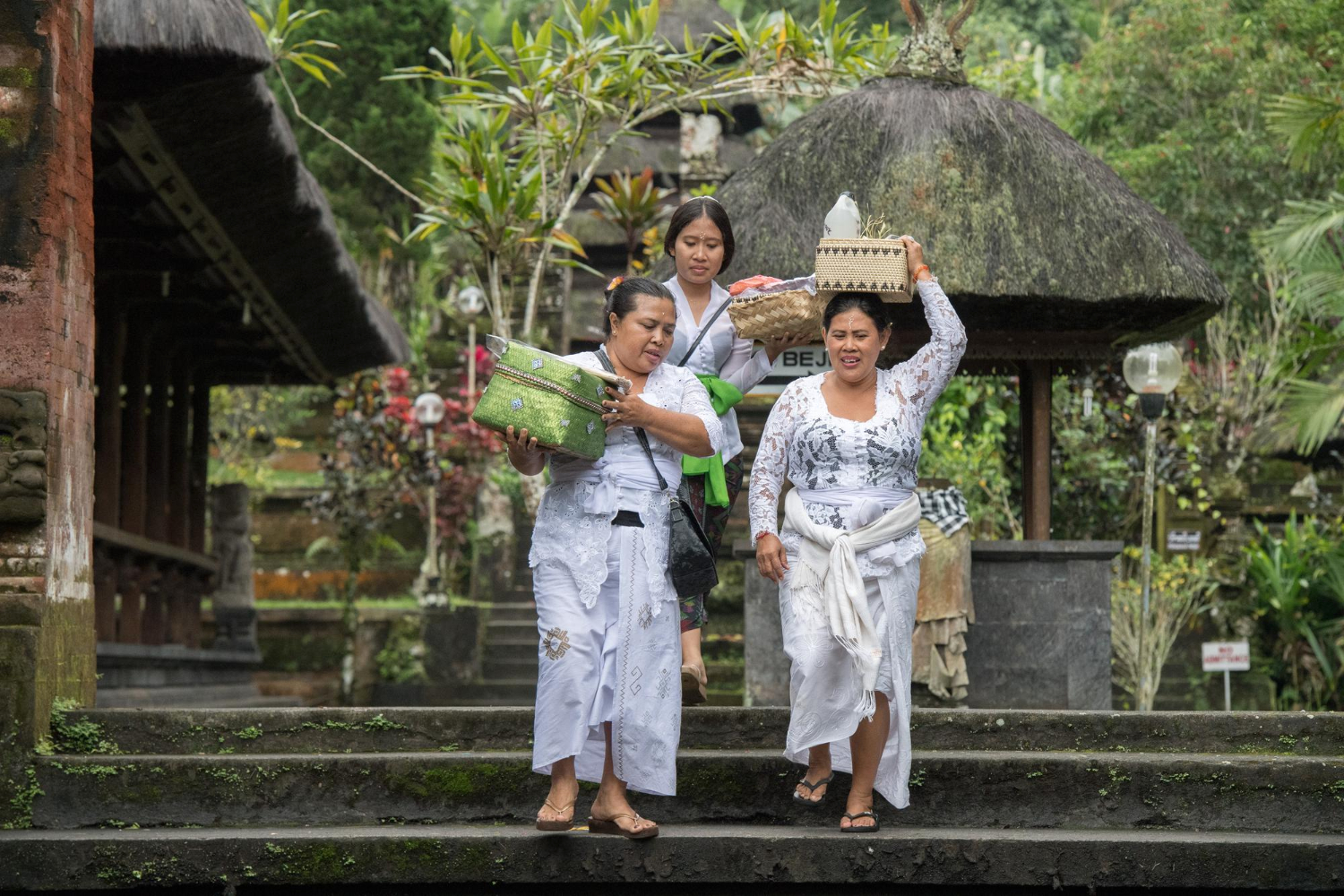
Besides offering breathtaking natural beauty and unique cultural traditions, Bali is also home to a fascinating traditional social structure worth learning about. One of the most well-known social systems on the island is the Hindu caste system in Bali, also referred to as wangsa.
Wangsa can be described as a system that represents social classes in Balinese society. Historically, this system has been part of Balinese life since the influence of Hinduism and the Majapahit Kingdom entered the island centuries ago.
So, what are the social classes in the caste system in Bali, and what do they mean? Let’s explore the complete explanation in the article below!
Social classes in Bali refer to a community classification system known as wangsa or caste within Balinese Hindu tradition.
This system was developed following the arrival of Hindu-Javanese influence in Bali, especially during the Majapahit Kingdom era around the 14th century.
In traditional Balinese society, the caste system in Bali was used to indicate lineage, social roles, and a person’s position within customary and religious structures.
Although it is often referred to as a “caste” system, Balinese people are actually more familiar with the term wangsa, which refers to ancestry or family lineage.
For this reason, the caste system in Bali is not entirely the same as the caste system in India, which tends to be more rigid. In fact, the implementation of this social structure in Bali has evolved significantly over time and is now much more flexible compared to the past.
The existence of social classes in Bali is closely connected to the influence of Hindu teachings and the long history of kingdom development across the Indonesian archipelago.
During that period, Balinese society began to adopt a social structure based on roles, responsibilities, and family lineage, which later became known as the wangsa or caste system in Bali.
Originally, the caste hierarchy in Bali, from the highest to the lowest level, was intended to reflect a person’s function and responsibilities within society rather than simply distinguishing social status.
In general, this concept is known as Catur Varna, a classification system that divides society according to duties and roles in both social and religious life.
Besides being influenced by religion and royal governance, the social class system in Bali also played an important role in maintaining social order in the past. For example, it helped regulate customary responsibilities, religious ceremonies, family relations, and even the structure of traditional Balinese governance.
Read also: Ngaben Ceremony: Definition, Types, & Procedures
In Balinese Hindu society, the social class structure is known as Catur Wangsa, which is divided into several groups based on lineage and traditional roles in both social and religious life.
Below are the caste levels in Bali, ranked from the highest to the lowest, along with their explanations.
The Brahmana caste in Bali is considered the highest level within the Balinese Hindu caste system. This group is commonly associated with religious leaders, priests, and spiritual figures who play important roles in Hindu religious activities across Bali.
People belonging to the Brahmana caste are generally responsible for leading traditional ceremonies and religious rituals, providing spiritual teachings, and preserving sacred Hindu manuscripts and traditions in Bali.
Because of their close connection to spiritual life, the Brahmana caste has long been highly respected within Balinese society.
Mythologically, the Brahmana caste is believed to have originated from the head or mouth of Lord Brahma, as mentioned in the Slokantara 61/78 scripture:
“Lalatajjyate wiprah ksatriyo bahujastatha”
Meaning: “The Brahmana is born from the head, while the Ksatria is born from the hands.”
Due to their respected position, Balinese people traditionally use refined or polite Balinese language (sor singgih basa Bali alus) when speaking to Brahmana descendants, especially in customary and ceremonial contexts.
The Brahmana caste can also be identified through certain traditional names, such as:
The Ksatria caste in Bali is closely associated with nobles, royal families, warriors, and traditional leaders from Bali’s past kingdoms.
The Ksatria group played an important role in protecting the kingdom, leading territories, and overseeing traditional governance systems. During the era of Balinese kingdoms, many kings and royal family members came from the Ksatria caste.
Some titles commonly associated with this caste include:
The Waisya caste is traditionally associated with trade, agriculture, and economic activities within Balinese society.
In the Balinese Hindu social structure, the Waisya group is considered important for supporting economic stability and community welfare.
In the past, members of this caste were heavily involved in trading activities, agricultural management, and interregional commerce.
Although their role was not as dominant as the Brahmana in spiritual matters or the Ksatria in governance, the Waisya caste still held an important position in traditional Balinese society, particularly as merchants, traders, and managers of the kingdom’s economic affairs.
The Slokantara 61/78 scripture also describes the Waisya caste as follows:
“Urubhyam jayate waisyah sudrastu padajastatha”
Meaning: “The Waisya is born from the thighs, and the Sudra is born from the feet of Brahma.”
Even though they were not ranked as highly as the Brahmana and Ksatria castes, the Waisya people were still respected in traditional Balinese society because of their contributions to economic stability and social administration.
Some names commonly associated with the Waisya caste include Ngakan, Kompyang, and Sang.
The Sudra caste is the largest social group in Bali. In fact, more than 90% of Balinese people are believed to belong to this caste. Because of this, the Sudra caste is often referred to as the common people or general community.
Traditionally, the Sudra group includes a wide range of professions and occupations that support everyday social life, such as farmers, craftsmen, artists, laborers, and ordinary community members.
People from the Sudra caste generally use traditional Balinese names based on birth order, such as Wayan or Putu for the first child, Made or Kadek for the second child, Nyoman or Komang for the third child, and Ketut for the fourth child.
Interestingly, although the Sudra caste is considered the lowest level in the traditional caste system in Bali, it actually represents the largest group that continues to play a major role in preserving Balinese culture, customs, and traditions to this day.
Read also: 10 Fun & Off-the-Beaten-Path Ideas on What to Do in Bali
Bali is not only famous for its breathtaking natural landscapes, but also for its rich cultural destinations that are worth exploring.
Through these places, visitors can witness firsthand how Balinese traditions, customs, and spiritual values continue to be preserved and practiced to this day.
Here are several must-visit destinations in Bali that you should not miss:
Besides visiting temples, traditional villages, and historical cultural sites, you can also discover Balinese life from a closer and more immersive perspective.
This is because Balinese culture is not only reflected through ceremonies and traditional arts, but also through village life, rice fields, and the close relationship between local communities and nature.
To experience this side of Bali in a more exciting way, you can try an ATV Ride with Gosek Adventure.
This activity allows you to explore Bali’s natural trails while enjoying scenic rice fields, rivers, and peaceful countryside landscapes that are far from the crowds of mainstream tourist areas.
Throughout the journey, you will not only experience an adrenaline-filled adventure but also get to witness the authentic side of Bali that is rarely found in city centers or beach destinations.
At Gosek Adventure, there are Single Ride options for those who prefer to ride solo, as well as Tandem Ride packages that are perfect for couples, friends, or families.
So, if you want to combine cultural exploration with an exciting outdoor adventure, an ATV Ride at Gosek Adventure is definitely worth adding to your Bali itinerary. Book your tickets now!
Read also: 10 Best Bali Souvenirs You Should Bring Home, Take Notes!

Author is part of the Gosek Adventure Bali team, dedicated to sharing practical tips, travel inspiration, and insider insights to help you enjoy the best experiences in Bali.