
For travelers seeking a different experience in Bali beyond beaches and beach clubs, the Island of the Gods is also home to many historical sites rich in cultural value.
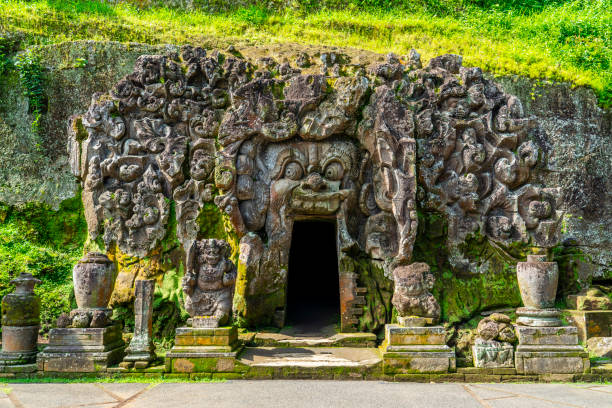
One of the most iconic historical destinations is Elephant Cave Ubud, also widely known as Goa Gajah, a cultural heritage complex located in Bedulu Village.
Elephant Cave Ubud is more than just a regular tourist attraction. Here, visitors can explore and learn about a fascinating combination of ancient architecture, spiritual ambiance, and serene natural landscapes.
Interested in visiting with your family during your holiday? Let’s explore some key facts and travel tips about Elephant Cave Ubud below.
When reviewing the history of Elephant Cave Ubud, this historical site is estimated to have been built between the 9th and 11th centuries during the era of the ancient Balinese kingdom.
The site was first mentioned in the ancient manuscript Negarakertagama (1365 AD) and is also referenced in inscriptions discovered around the area.
The name “Goa Gajah” literally means “Elephant Cave.” Although no large elephant statue has been found inside the cave, the name is believed to originate from a statue of Ganesha, the elephant-headed Hindu deity, discovered in the main chamber.
Another theory explains that the name refers to the nearby Petanu River, which was once known as “Lwa Gajah.”
The Elephant Cave Ubud complex showcases a blend of Hindu and Buddhist elements, reflecting the spirit of religious tolerance and syncretism during that period.
Historically, the site was rediscovered by Dutch archaeologists in 1923, while the bathing pools were uncovered later in 1954 after further excavations. Today, Elephant Cave Ubud has been designated as a national cultural heritage site of Indonesia.
If you’re still wondering why Elephant Cave Ubud is always included on the must-visit list when traveling to Bali, here are some of its main attractions you should know about:
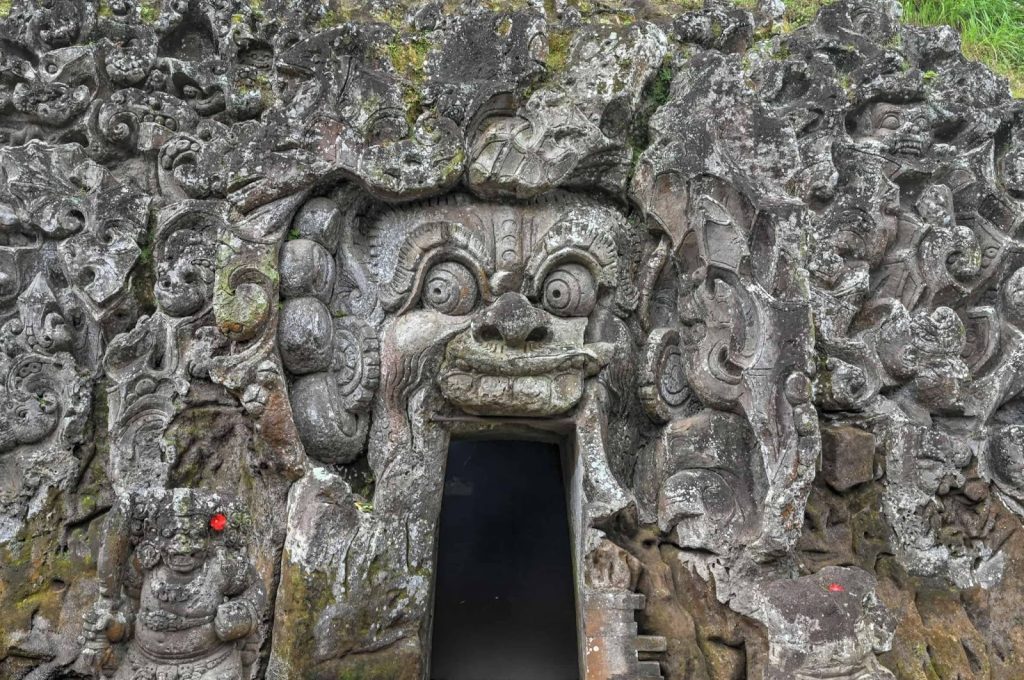
The most striking feature of Elephant Cave Ubud is the giant face relief carved into the cave’s entrance.
This intricate carving depicts a fierce figure with a wide-open mouth, believed to serve as a protective symbol to ward off evil spirits.
The detailed craftsmanship reflects the remarkable stone-carving skills of ancient Balinese artisans from the 9th to 11th centuries. It’s also a favorite photo spot for visitors.
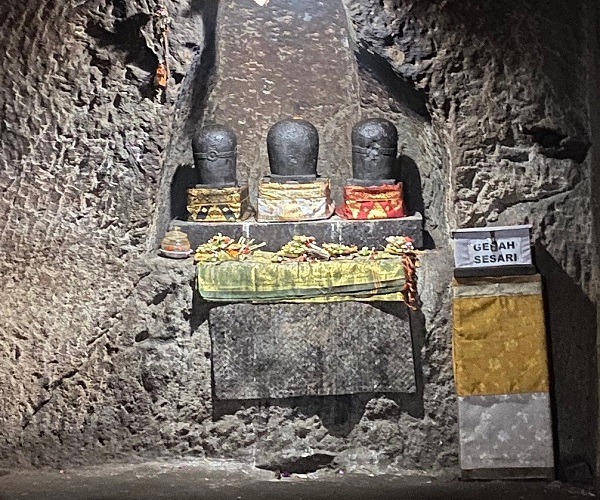
As you step inside the cave, you’ll immediately notice the atmosphere becoming darker and quieter.
Inside Elephant Cave Ubud, there are stone niches housing a statue of Ganesha, as well as linga and yoni symbols associated with the worship of Lord Shiva.
The ambiance within the cave feels solemn and spiritual, allowing many visitors to experience a deep sense of tranquility and reflection.
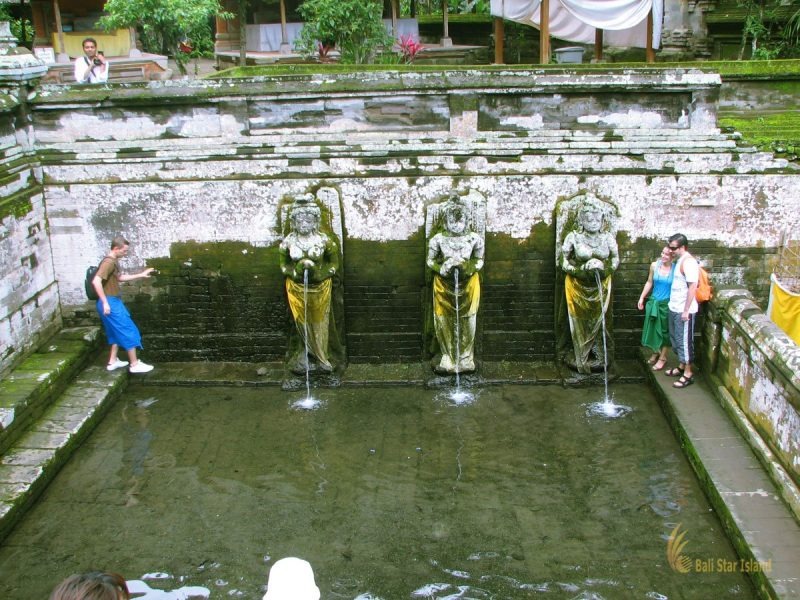
In the courtyard of the complex, you’ll find ancient bathing pools adorned with six statues of celestial maidens spouting water.
These pools are believed to date back to the 11th century and were once used for purification rituals. The continuously flowing sacred water often becomes a favorite photography backdrop for tourists.
Beyond its historical significance, Elephant Cave Ubud is surrounded by lush and shaded greenery.
Large trees, well-maintained gardens, and a valley area at the back of the complex create a peaceful and calming atmosphere for visitors.
Located only about 10–15 minutes from central Ubud, Elephant Cave Ubud is very easy to access.
The site also offers a spacious parking area, proper restroom facilities, and sarong rentals for visitors, making it convenient and comfortable for both individual travelers and families.
Read also: 12 Most Beautiful & Best Beaches in Bali, Take Notes!
Elephant Cave Ubud is a cultural heritage site located in Bedulu Village, Blahbatuh District, Gianyar Regency, Bali.
It is approximately 6 km from central Ubud or about a 1-hour drive from I Gusti Ngurah Rai International Airport. Here is a complete travel guide for visiting Elephant Cave Ubud.
Elephant Cave Ubud is generally open daily, including public holidays, from 08:00 AM to 05:00 PM (WITA).
The best time to visit is in the morning, around 08:00–10:00 AM, to avoid crowds and the midday heat.
Here is the estimated entrance fee range:
Note: Prices may change depending on management policies.
Read also: 10+ Best Places to Visit in Gianyar 2026, Affordable & Exotic!
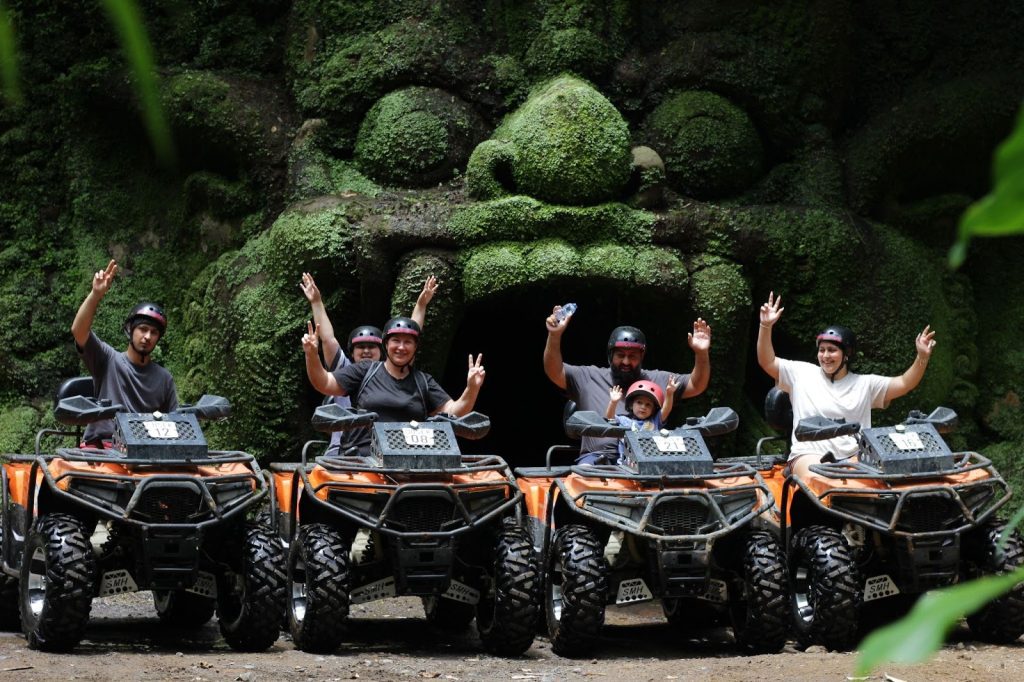
After exploring the beauty and historical value of Elephant Cave Ubud, you can continue your adventure with a more exciting and challenging activity.
If Goa Gajah offers a peaceful cultural and spiritual experience, now it’s time to discover a more adrenaline-filled side of Bali with an ATV ride at Gosek Adventure.
Gosek Adventure provides a dynamic ATV riding experience with varied tracks. You’ll ride through rice fields, tropical forests, small rivers, muddy trails, and even unique natural tunnels reminiscent of the Temple Run game, making the experience both thrilling and Instagram-worthy.
Gosek Adventure also offers two riding options, which is Single Ride (to ride solo) and Tandem Ride (to ride with friends or loved ones), so you can choose the option that best suits your preference.
For bookings or further information about package prices and details, feel free to contact our team. See you on the Temple Run ATV adventure with Gosek Adventure!
Read also: 10 Fun & Off-the-Beaten-Path Ideas on What to Do in Bali
