
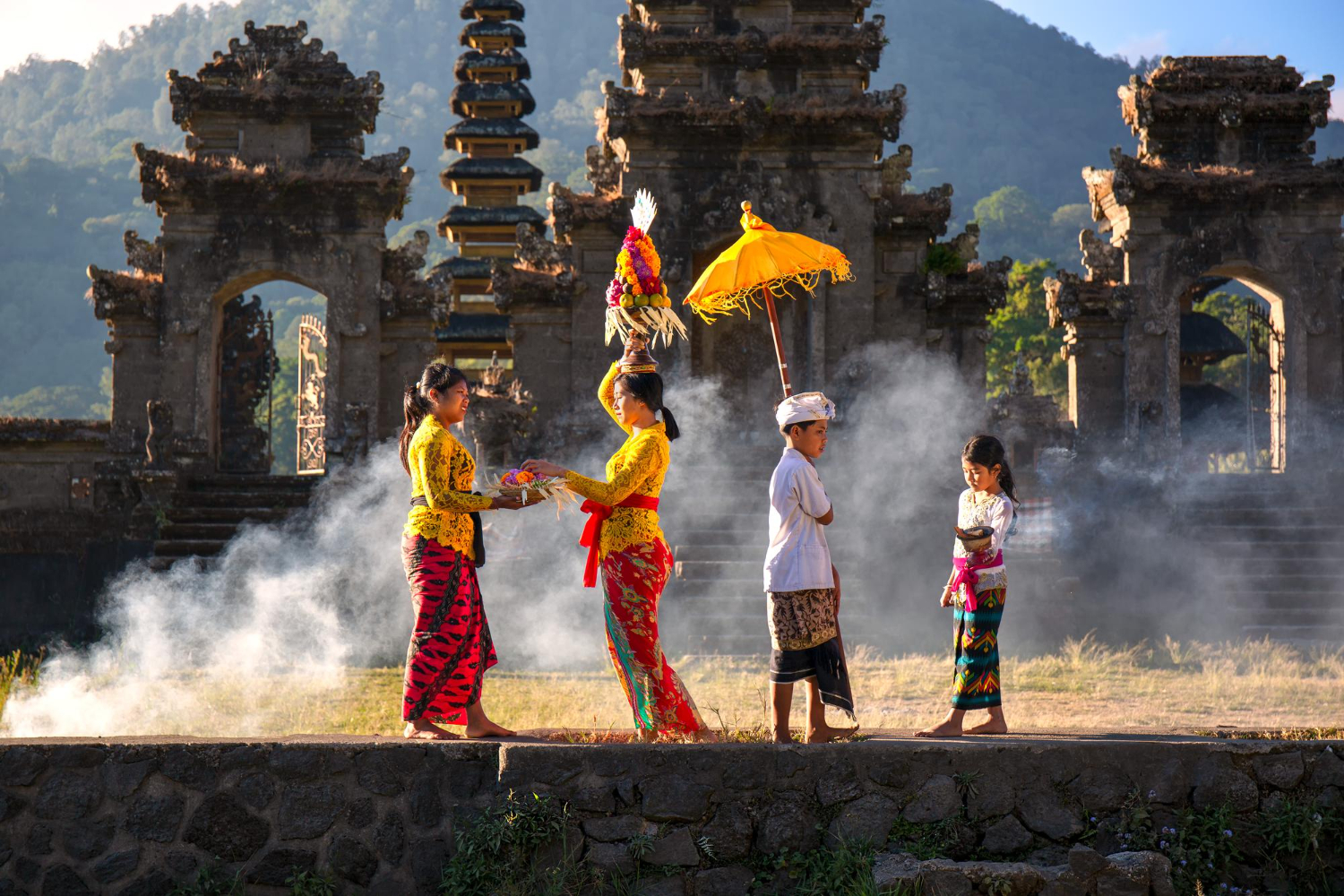
Bali is widely known as one of the most popular tourist destinations in Indonesia. However, the island’s charm does not only lie in its beaches, sunsets, or world-famous attractions.
Behind its natural beauty, Bali also holds a rich cultural heritage that remains strong, unique, and well-preserved to this day.
From traditional houses filled with philosophical meaning and traditional clothing with distinctive details to various ceremonial rituals that are deeply rooted in daily life, every element of Balinese culture carries its own story and values.
Curious to learn more about the diversity of Balinese culture? Let’s explore this article all the way through!
If you are planning to visit the Island of the Gods to learn more about its cultural diversity, it is worth understanding some of Bali’s most well-preserved traditions beforehand. Here are several forms of Balinese culture that continue to thrive and be preserved to this day.
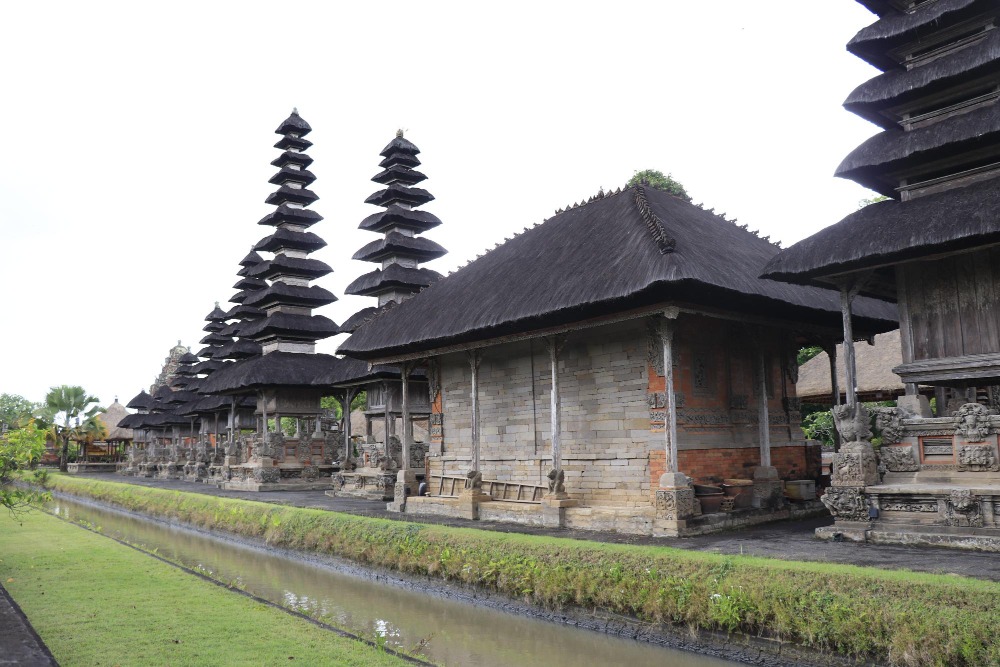
One of the most iconic aspects of Balinese culture is its traditional houses, which are known for their distinctive architecture and deep philosophical meaning.
Traditional Balinese houses are not built randomly. Instead, they follow a spatial arrangement guideline called Asta Kosala Kosali. This concept regulates the placement of buildings based on spiritual values, cardinal directions, and the balance between humans and nature.
Interestingly, a traditional Balinese house usually consists of several separate buildings within one compound, such as bale dauh, bale dangin, paon (kitchen), and sanggah or the family shrine.
The philosophy behind Balinese traditional houses is also closely connected to the concept of Tri Hita Karana, a teaching that emphasizes harmony between humans and God, fellow humans, and the surrounding environment.
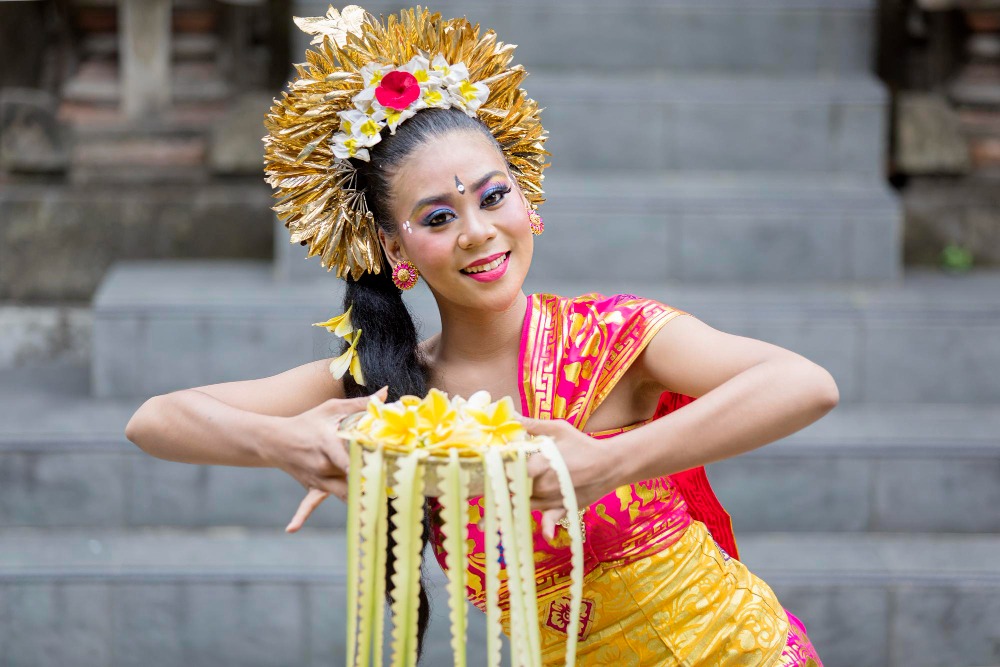
Another iconic example of Balinese culture is its elegant traditional clothing, which features many symbolic details. In general, traditional Balinese attire is divided into three categories: Payas Agung, Payas Madya, and Payas Alit.
Payas Agung is commonly worn for major events such as weddings and important traditional ceremonies due to its luxurious appearance and elaborate ornaments.
Meanwhile, Payas Madya is typically used for medium-scale traditional events, while Payas Alit is worn for daily prayers and religious activities.
Traditional Balinese menswear is usually associated with udeng (traditional headcloth), kamen, and saput, while women generally wear kebaya, kamen, and selendang.
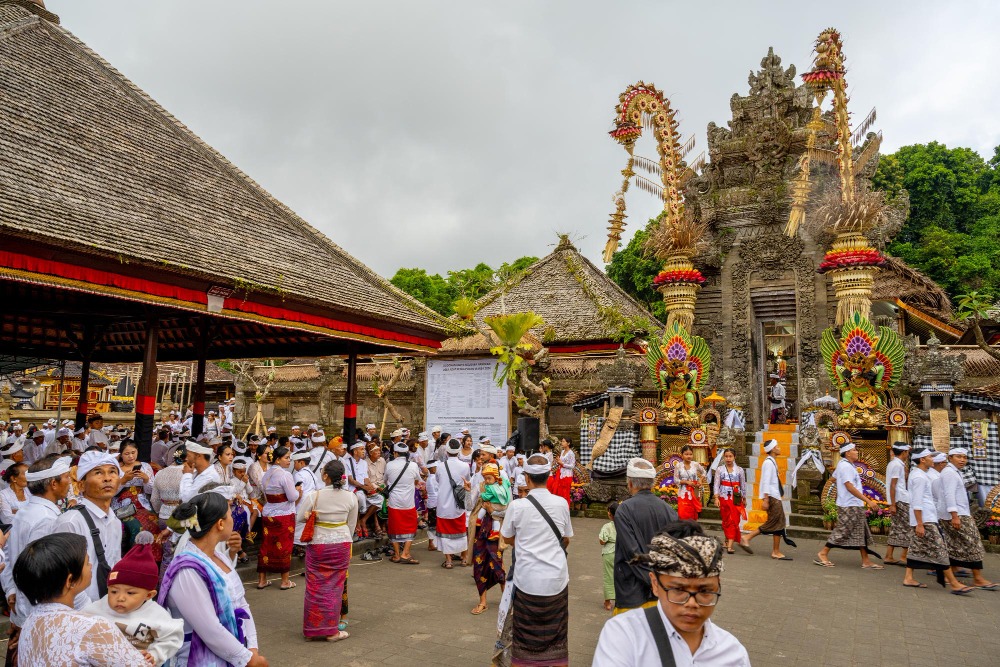
Bali is also widely recognized for its traditional rituals and ceremonies. In fact, religious ceremonies and customary traditions play an essential role in the daily lives of Balinese people.
One of the most famous rituals is Ngaben, a Hindu cremation ceremony intended to purify the soul so it can return to its origin. In addition, there is Nyepi Day, also known as the “Day of Silence,” during which all activities across Bali come to a complete stop for 24 hours.
Other important traditions include Melasti, Galungan, and Kuningan. Through these rituals, Balinese people express gratitude, honor their ancestors, and maintain spiritual harmony in their lives.
Read also: Elephant Cave Ubud: History, Charm, & Visitor’s Guide to Visit
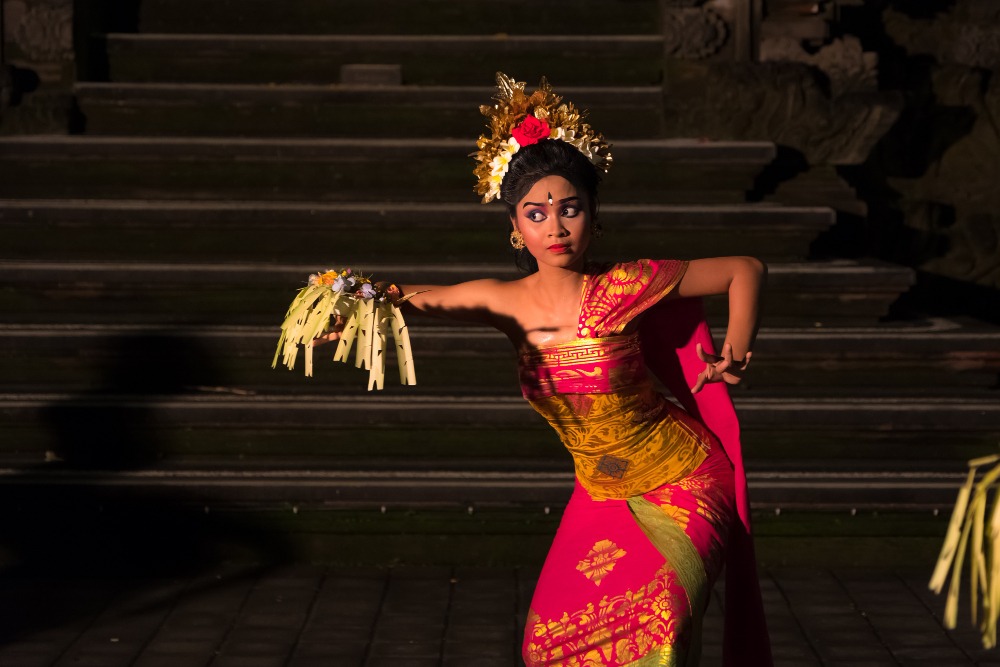
Dance is one of the most recognized cultural identities of Bali, even internationally. Interestingly, many Balinese dances originally began as part of religious rituals before eventually developing into artistic performances.
Some of the most popular traditional Balinese dances include the Kecak Dance, Legong Dance, Pendet Dance, and Barong Dance.
Each dance carries its own story, character, and philosophy. For example, the Barong Dance symbolizes the eternal battle between good and evil, while the Pendet Dance was originally performed as a welcoming dance for temple rituals.
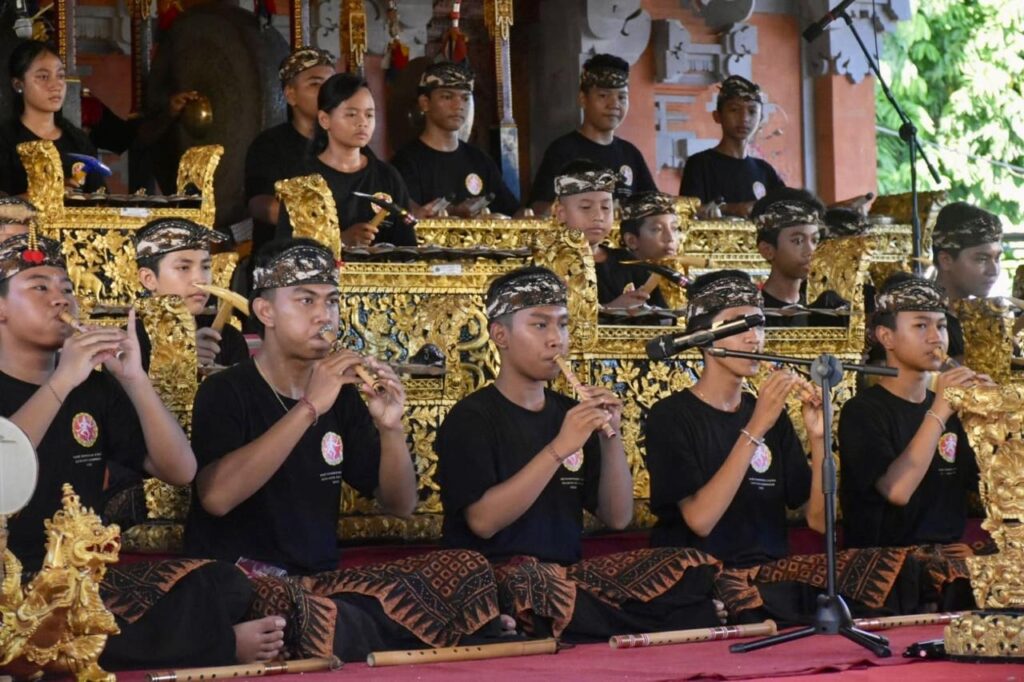
Balinese culture is also closely associated with its distinctive traditional music, especially Balinese gamelan. Compared to Javanese gamelan, which tends to sound softer and calmer, Balinese gamelan is generally faster, more dynamic, and highly energetic.
One of the most famous forms of Balinese gamelan is Gong Kebyar, which is commonly used to accompany traditional dances and ceremonial events. The instruments used vary greatly, including gongs, kendang, ceng-ceng, and gangsa.
For Balinese people, traditional music is not merely a form of entertainment. Gamelan also plays an important role in spiritual and social activities within the community.
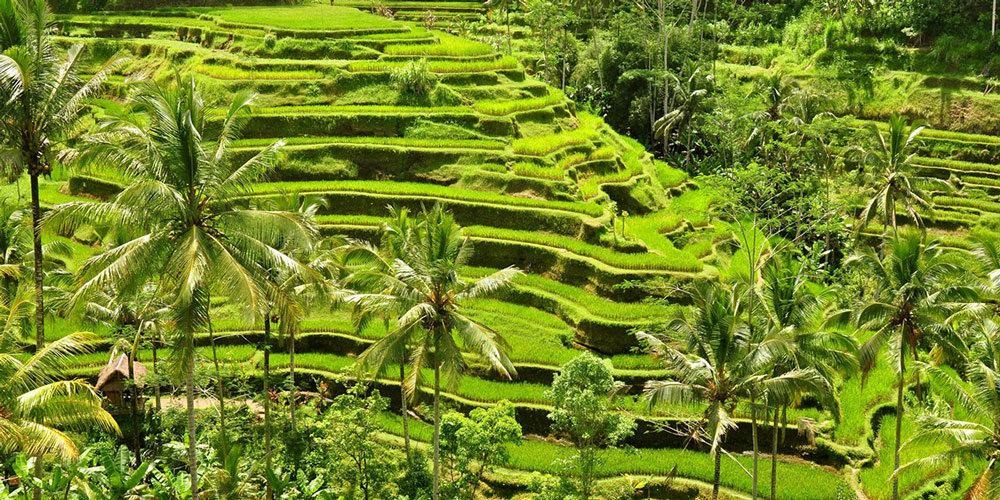
Beyond art and rituals, Bali is also known for its traditional agricultural culture called Subak. This system is a community-based irrigation method that has been passed down for hundreds of years through the spirit of mutual cooperation. One of the most famous destinations showcasing this irrigation system is Jatiluwih Village.
Subak not only manages water distribution for rice fields, but also reflects the philosophy of Tri Hita Karana by emphasizing harmony between humans, nature, and spirituality.
Due to its strong cultural and historical significance, the Subak system has even been recognized by UNESCO as a World Cultural Heritage site.
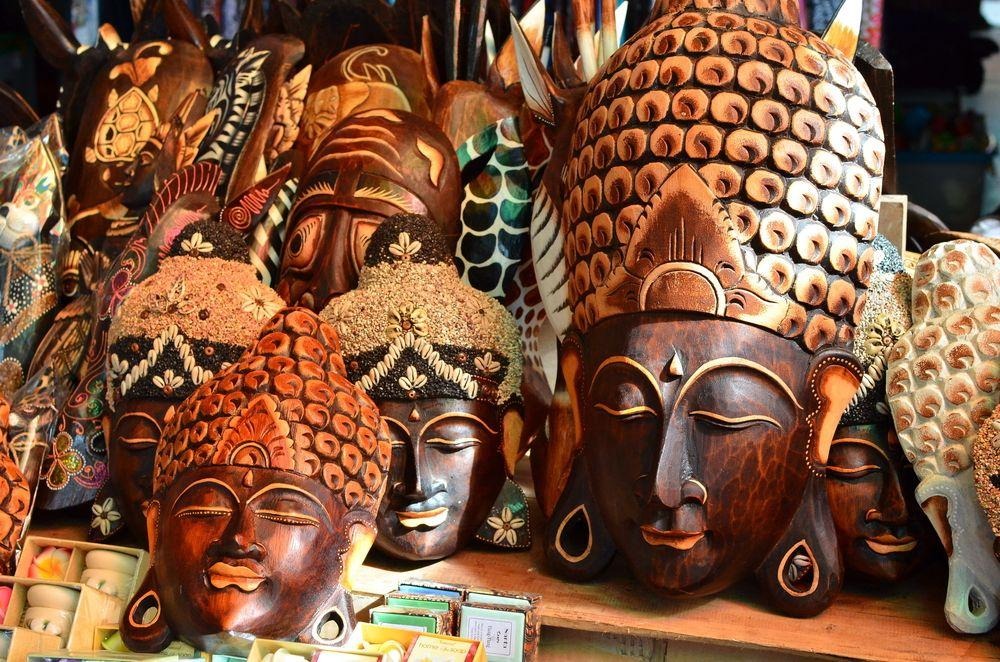
Another well-known aspect of Balinese culture is its highly detailed and artistic carving and handicraft traditions. You can find various forms of Balinese artwork, ranging from wood carvings, stone sculptures, and traditional paintings to silver crafts that are difficult to find elsewhere.
The motifs are often inspired by nature, wayang characters, and Balinese Hindu spiritual symbols. This is why Balinese handicrafts have such a strong and easily recognizable identity.
To this day, handicraft art remains an important part of Balinese society while also supporting the island’s tourism and creative economy sectors.
Read also: 7 Indoor Activities in Bali Perfect for the Bali Rainy Season
Besides being widely known for its traditions, ceremonies, and arts, Bali is also home to various ethnic groups that continue to shape the island’s cultural identity today.
Interestingly, Balinese society does not consist of just one ethnic group. Instead, it is made up of several tribes and communities, including the following:
The Bali Aga tribe is known as one of the original indigenous groups of Bali that inhabited the island long before the influence of the Majapahit Kingdom arrived.
Because they are considered ancient Balinese people, this group is often referred to as Bali Mula or the original Balinese community.
The Bali Aga people generally live in mountainous or remote areas, such as Trunyan Village in Bangli and Tenganan Village in Karangasem.
The Balinese Majapahit tribe refers to Balinese communities that have historical ties to the Majapahit Kingdom from Java. Their presence began during the Majapahit expansion into Bali in the 14th century under the leadership of Mahapatih Gajah Mada.
This group later brought major influences to modern Balinese culture, particularly in traditional governance systems, social structures, arts, language, and the Hindu religious practices widely recognized in Bali today.
Today, the majority of Balinese people are believed to be descendants of the Balinese Majapahit community and mostly reside in Bali’s lowland areas.
Bali is also home to a Muslim community known as the Nyama Selam community. The word “Nyama” means sibling, while “Selam” refers to Islam. The term reflects the close brotherhood between Hindu and Muslim communities in Bali.
The Nyama Selam community has lived harmoniously alongside Balinese Hindus for generations while still preserving elements of Balinese culture in their daily lives.
Some Balinese Muslim communities even have a long history dating back to the era of kingdom trade relations and diplomatic connections between Bali and Islamic kingdoms across the Indonesian archipelago.
The Loloan community is a Muslim community in Bali that mainly resides in the Jembrana area, especially in Kampung Loloan. These people have Malay and Bugis cultural roots, having arrived in Bali centuries ago through maritime trade routes.
Although they maintain a fairly strong Malay cultural identity, the Loloan community has also adapted to the surrounding Balinese culture.
Besides indigenous tribes and local sub-ethnic groups, Bali is also inhabited by many migrant communities from various regions of Indonesia, including Javanese, Sasak from Lombok, Madurese, Bugis, Malay, and Chinese communities.
The arrival of these migrant groups has been influenced by trade, tourism, education, and the growing economic opportunities in Bali. As a result, Bali has become one of the most multicultural regions in Indonesia today.
For those who want to explore Balinese culture more deeply, there are actually many destinations in Bali that offer not only beautiful scenery, but also authentic cultural experiences. Here are some of the must-visit places:
Besides visiting the destinations above, you can also experience another side of Balinese culture by exploring its natural landscapes and traditional countryside more closely.
After all, Balinese culture is not only reflected through temples, traditional houses, or art performances, but also through the daily lives of local communities and the island’s beautifully preserved natural surroundings.
One exciting way to enjoy this experience is by trying an ATV Ride with Gosek Adventure, where you will pass through rice fields, village paths, rivers, and natural trails while discovering a more authentic side of Bali beyond the usual tourist attractions.
At Gosek Adventure, you can choose between a Single Ride for a solo riding experience or a Tandem Ride, which is perfect for couples, friends, or families.
So, if you are looking to combine cultural exploration with an exciting outdoor adventure, an ATV Ride at Gosek Adventure can definitely be a great addition to your Bali getaway.
So, what are you waiting for? Book your adventure now by contacting the Gosek Adventure team today!
Read also: 10 Best Bali Souvenirs You Should Bring Home, Take Notes!
