
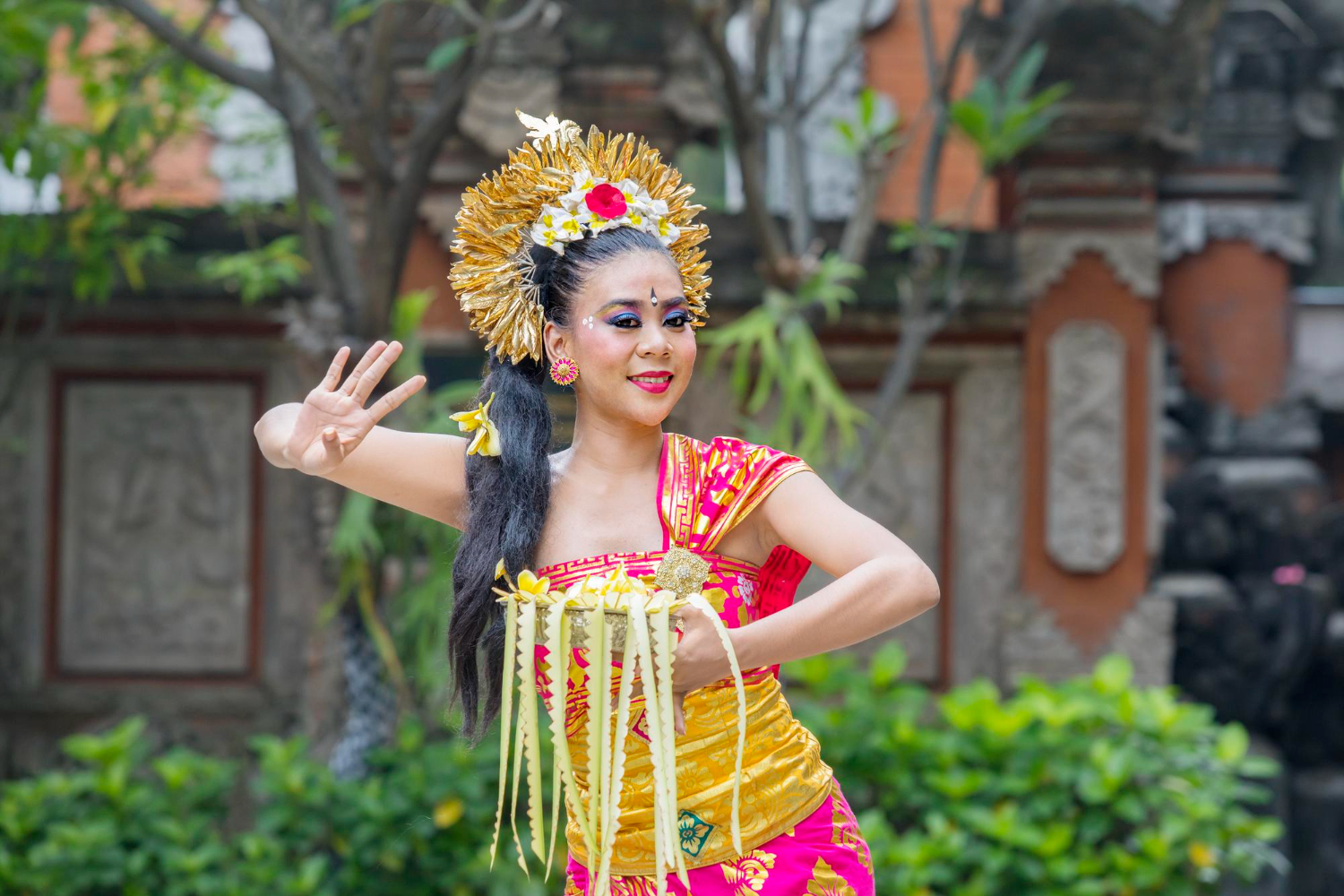
Want to explore a side of Bali that is rich in art, culture, and traditions that have been preserved for generations? One of the best ways to experience it is by watching a Balinese dance performance in person.
Many travelers are curious about which traditional dances are still regularly performed today and continue to hold deep cultural significance. Well, good news: Bali is home to a wide variety of traditional dances, each with its own unique story, purpose, and artistic expression.
What makes Balinese dance especially fascinating is its diversity. Some dances are considered sacred and are performed as part of religious ceremonies, while others are created specifically for entertainment and cultural performances.
If you want to know the different types of Balinese dance, their movements, and find the best places in Bali to watch these captivating performances, keep reading.
Bali is renowned for its rich cultural heritage, and traditional dance has been an important part of Balinese life for centuries.
Even today, many traditional Balinese dance performances are still regularly featured in religious ceremonies, Bali cultural events, and traditional celebrations across the island. Curious about which dances remain the most popular? Here are some of the most iconic examples.
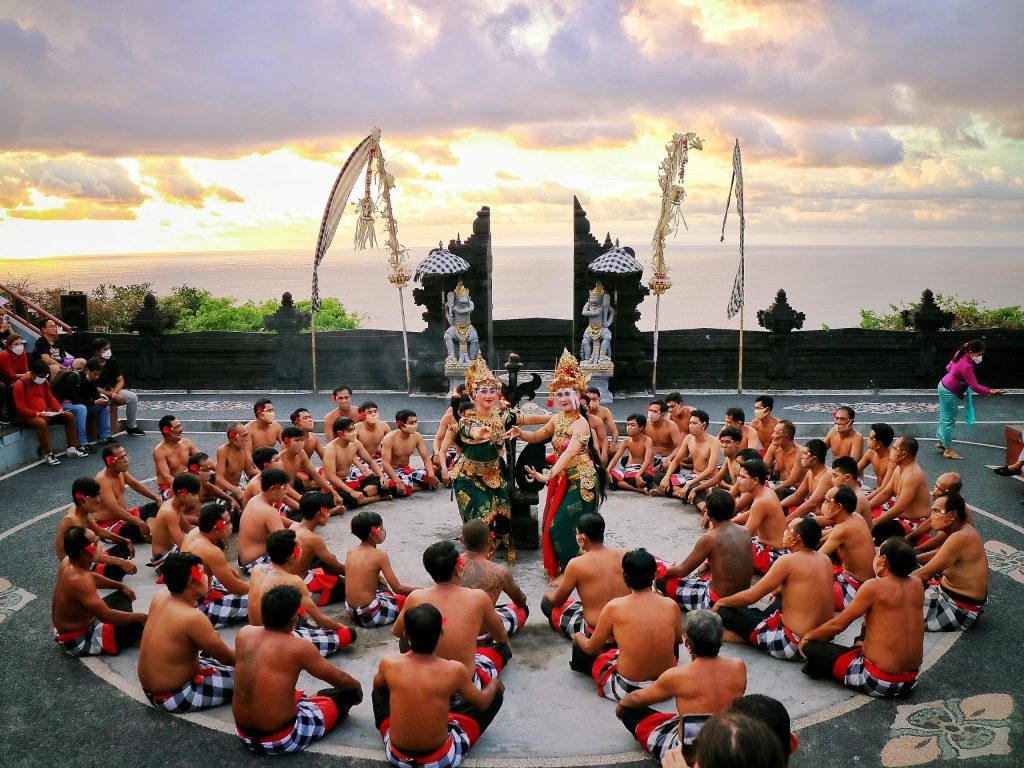
If you ask international travelers about the most famous Balinese dance, Kecak Dance is often the first one that comes to mind.
This iconic performance tells the story of the Ramayana epic, particularly the journey of Rama and Hanuman as they attempt to rescue Princess Sita from Ravana.
What sets Kecak Dance apart from other traditional Balinese dances is its accompaniment. While most Balinese dance performances feature gamelan music, Kecak relies on a chorus of dozens, sometimes even hundreds, of male performers sitting in a circle and rhythmically chanting “cak-cak-cak.”
Today, Kecak Dance is most famously performed at Uluwatu, where visitors can enjoy the show against a stunning backdrop of dramatic cliffs and a spectacular sunset. Performances can also be found at cultural venues in Ubud and Gianyar.
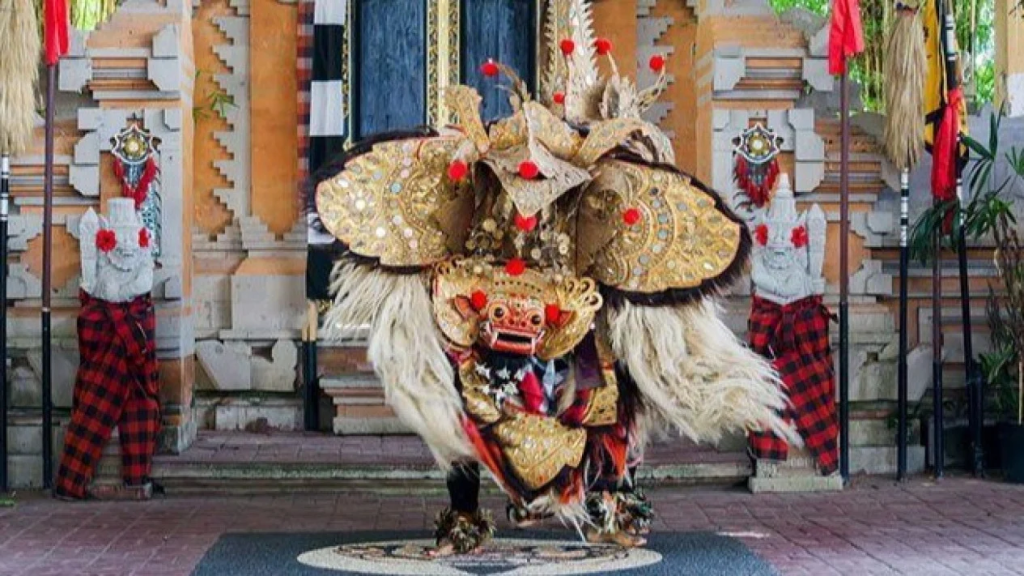
Barong Dance is one of Bali’s most important cultural and spiritual performances. It tells the eternal battle between good and evil, represented by Barong, the symbol of virtue, and Rangda, the embodiment of dark forces.
One of the most striking features of this Balinese dance is the elaborate Barong costume, which is colorful, intricately decorated, and operated by two dancers working together.
The costume’s large eyes, detailed carvings, and thick fur create a memorable character that is instantly recognizable.
The dance itself features lively and energetic movements, often combined with playful interactions with the audience. Barong frequently shakes its head, opens its mouth, and engages spectators throughout the performance.
Visitors can watch Barong Dance at various cultural venues across Bali, especially in Batubulan and Gianyar, which are well known for hosting regular performances.
Read also: Various Historic Bali Traditions & Traditional Ceremonies
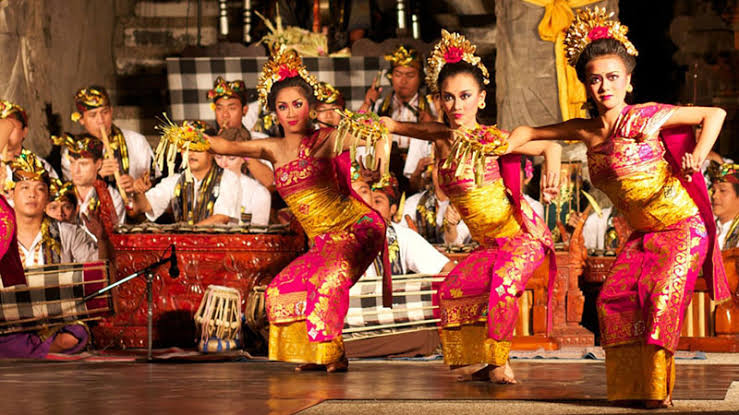
Pendet Dance is a traditional Balinese dance that originally served as a sacred offering performed during Hindu religious ceremonies.
Over time, it evolved into a welcoming dance commonly performed to greet guests and visitors.
Unlike the energetic Barong Dance, Pendet Dance is characterized by graceful, gentle, and welcoming movements.
Dancers typically carry small bowls filled with flower petals, which are scattered during the performance as a symbol of respect, gratitude, and hospitality.
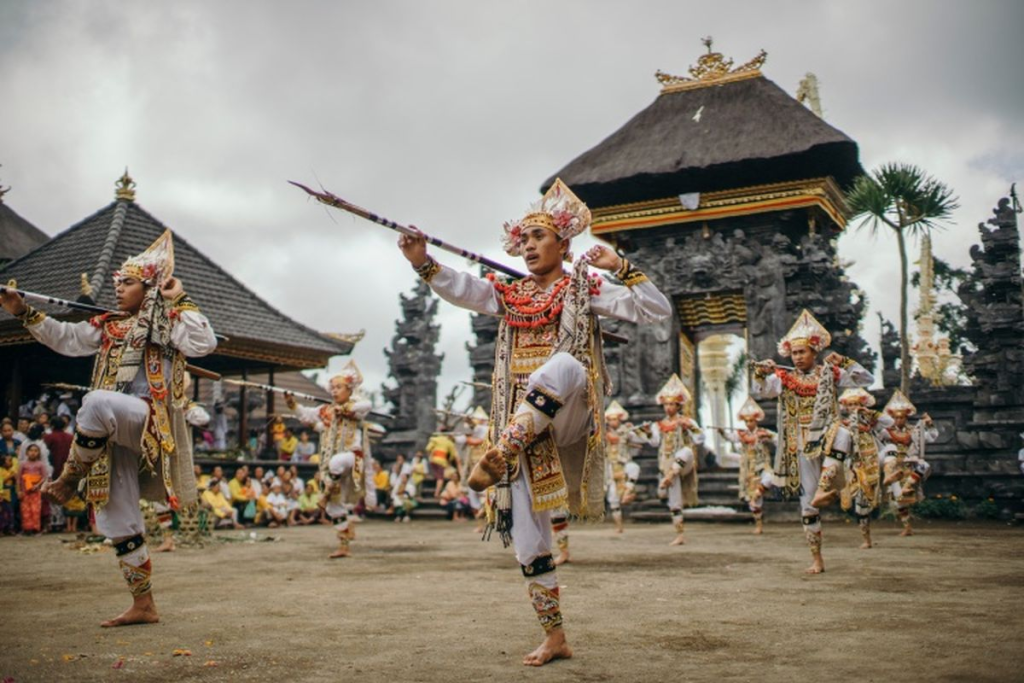
Baris Dance is a traditional Balinese dance that portrays a warrior preparing to enter battle.
As a result, the dance symbolizes bravery, heroism, discipline, and readiness to face challenges.
Its movements reflect these qualities through strong body postures, firm footwork, sharp eye expressions, and gestures that convey vigilance and confidence.
In many performances, dancers also carry traditional weapons such as spears, kris daggers, or other ceremonial arms, further emphasizing the warrior theme.
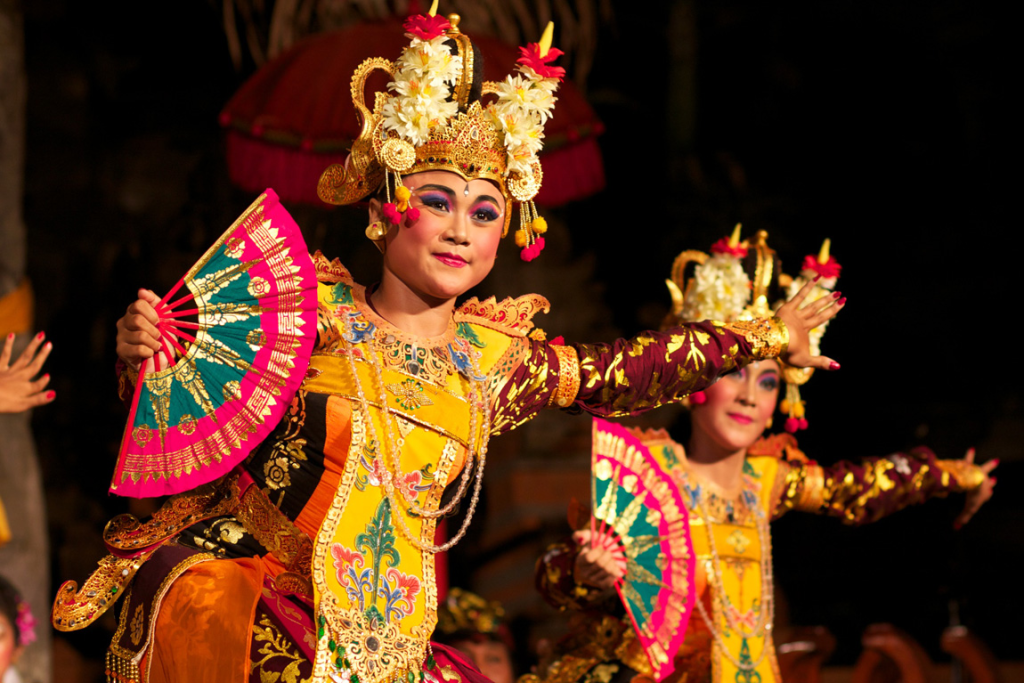
Legong Dance is one of the most refined and elegant forms of Balinese dance. It is typically performed by two or three female dancers dressed in elaborate costumes adorned with golden headdresses.
One of the dance’s most distinctive features is the expressive eye movement known as seledet. Dancers rapidly move their eyes in different directions while maintaining perfect synchronization with the rest of their body movements.
This combination of precision, grace, and expression creates a mesmerizing performance that continues to captivate audiences.
Today, visitors can watch Legong Dance at cultural venues throughout Ubud, including Ubud Royal Palace (Puri Saren Ubud), as well as performance centers in Gianyar and Denpasar.
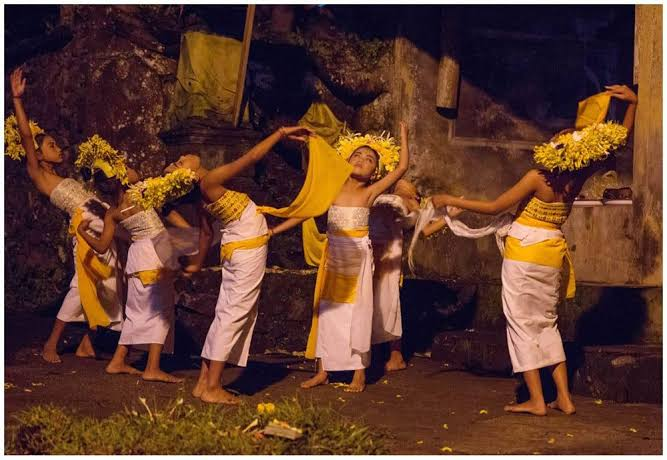
Sanghyang Dedari is a sacred Balinese dance deeply rooted in ritual and spirituality.
Unlike many dances that are performed primarily for entertainment, Sanghyang Dedari is traditionally presented as a spiritual ceremony intended to seek protection, harmony, and blessings for the community.
The dance is usually performed by two pre-adolescent girls who, according to Balinese tradition, enter a trance-like state during the ritual.
Because of its sacred nature, Sanghyang Dedari is not performed regularly for tourists. Instead, it is typically presented only during specific religious ceremonies and traditional village events across Bali.
Read also: 10 Best Temples in Bali: Beautiful & Rich in Culture
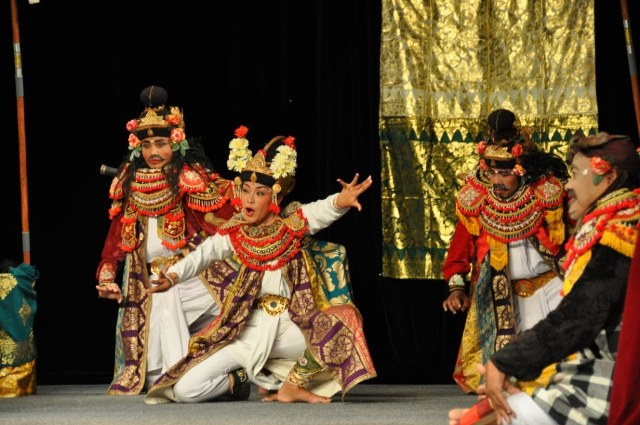
Gambuh Dance is often regarded as one of the oldest surviving forms of Balinese dance. Many scholars even consider it the foundation of several modern Balinese dance and dance-drama traditions.
What makes Gambuh unique is its combination of dance, drama, music, literature, and dialogue within a single performance. The stories typically revolve around the Panji tales, a collection of classical narratives that have been popular in both Java and Bali for centuries.
Due to its complexity and strong historical significance, Gambuh is considered one of Bali’s most valuable cultural treasures and is still preserved by a number of traditional art communities across the island.
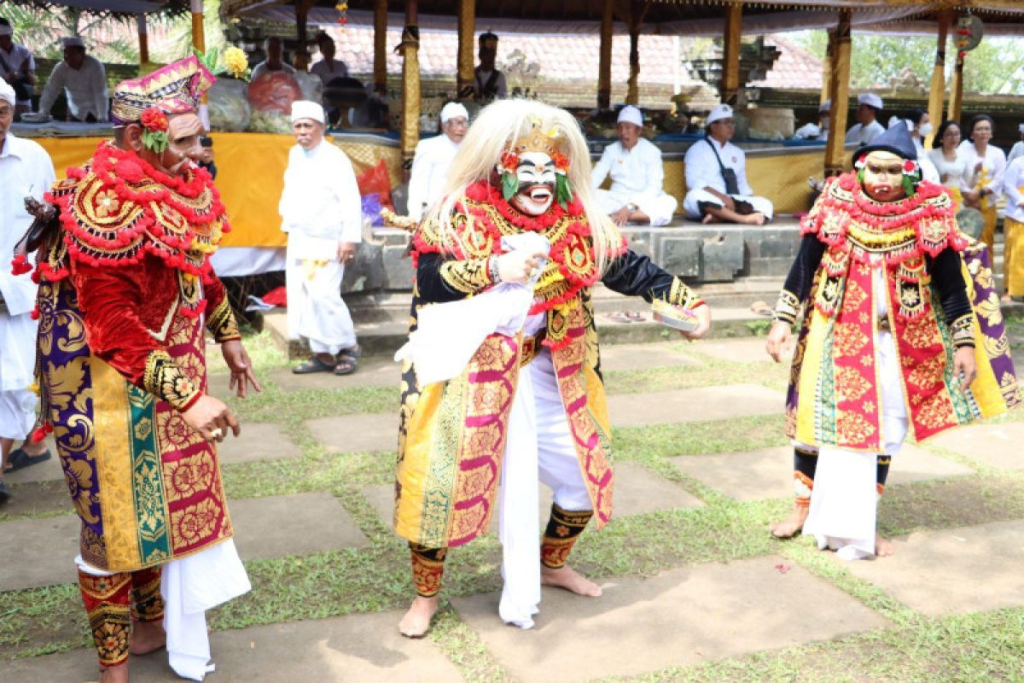
Another important Balinese dance is the Sidakarya Mask Dance, a sacred performance that holds a special place in Balinese Hindu traditions.
In many religious ceremonies, this dance is believed to symbolize the successful completion of a yadnya, or sacred ritual. The name “Sidakarya” itself comes from the words sida, meaning “successful,” and karya, meaning “ceremony” or “work.”
One of the most distinctive features of this dance is the white mask worn by the performer. The mask is characterized by long hair, prominent teeth, and a unique facial expression that makes it instantly recognizable.
The performance combines dynamic movements with humorous expressions, advice, blessings, and prayers, creating a unique balance between entertainment and spiritual significance.
Because of its ceremonial role, Sidakarya Mask Dance is most commonly performed at temples and during important religious events throughout Bali.
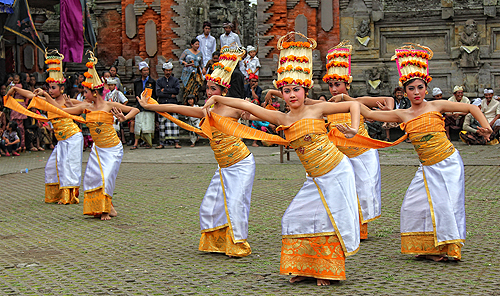
Rejang Dance is one of the oldest sacred forms of Balinese dance and remains an important part of Hindu religious ceremonies across the island.
Rather than serving as entertainment, Rejang Dance is performed as a sacred offering and an expression of devotion to the gods.
The dance is usually performed by women of various age groups, from teenagers to adults, who wear colorful traditional attire decorated with floral or ceremonial headdresses.
Its movements are graceful, gentle, and repetitive, symbolizing purity, sincerity, and spiritual dedication.
For visitors interested in witnessing this sacred tradition, Rejang Dance is typically performed only during specific temple ceremonies and religious celebrations in Bali.
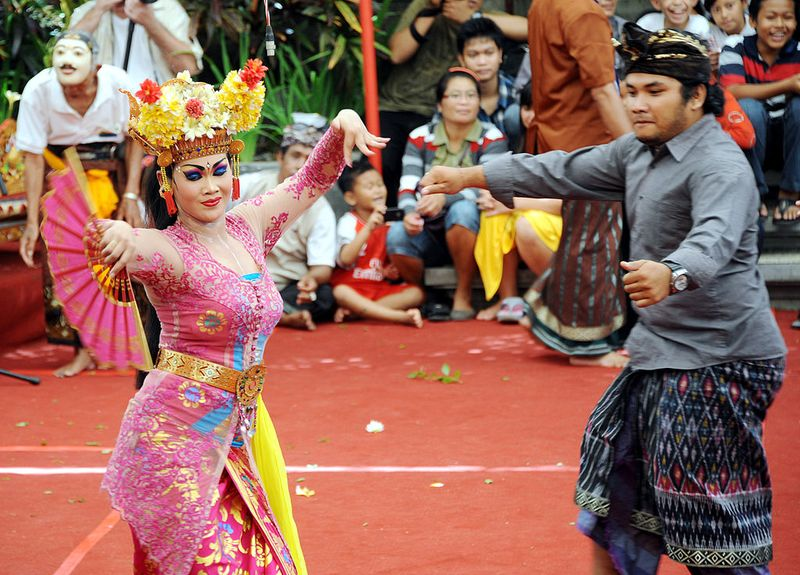
While many forms of Balinese dance are sacred or dramatic in nature, Joged Bumbung offers a much more relaxed, lively, and interactive experience.
Originally developed as a form of folk entertainment, the dance combines music, movement, and direct audience participation.
The name “Joged Bumbung” comes from the bamboo instruments, known as bumbung, that accompany the performance. These instruments produce cheerful and rhythmic melodies that help create a festive atmosphere.
One of the dance’s most distinctive features is its interaction with spectators. During traditional performances, female dancers often invite audience members to join them on stage or in the performance area.
Because of this spontaneous element, no two Joged Bumbung performances are ever exactly the same.
After discovering the beauty of traditional Balinese dance and experiencing Bali’s rich cultural heritage through its artistic performances and traditions, it’s time to explore another side of the Island of the Gods, one that’s just as exciting and adrenaline-filled.
Join Gosek Adventure for an unforgettable ATV ride through some of Bali’s most thrilling off-road landscapes.
With Gosek Adventure, you’ll navigate muddy tracks, rocky trails, scenic rice fields, and even a unique cave route that feels straight out of a Temple Run game. Sounds exciting, doesn’t it?
To make your adventure even more enjoyable, Gosek Adventure offers two riding options. Choose Single Ride (to drive your own ATV) or Tandem Ride (to ride an ATV with your significant other).
Never ridden an ATV before? No worries. Before the adventure begins, Gosek Adventure’s professional team will provide a safety briefing and riding instructions, ensuring that even first-time riders can enjoy the experience safely and confidently.
So, what are you waiting for? Book your ATV adventure today and experience a different side of Bali with Gosek Adventure!
Read also: Social Classes in Bali Based on the Hindu Caste System
